
Situation
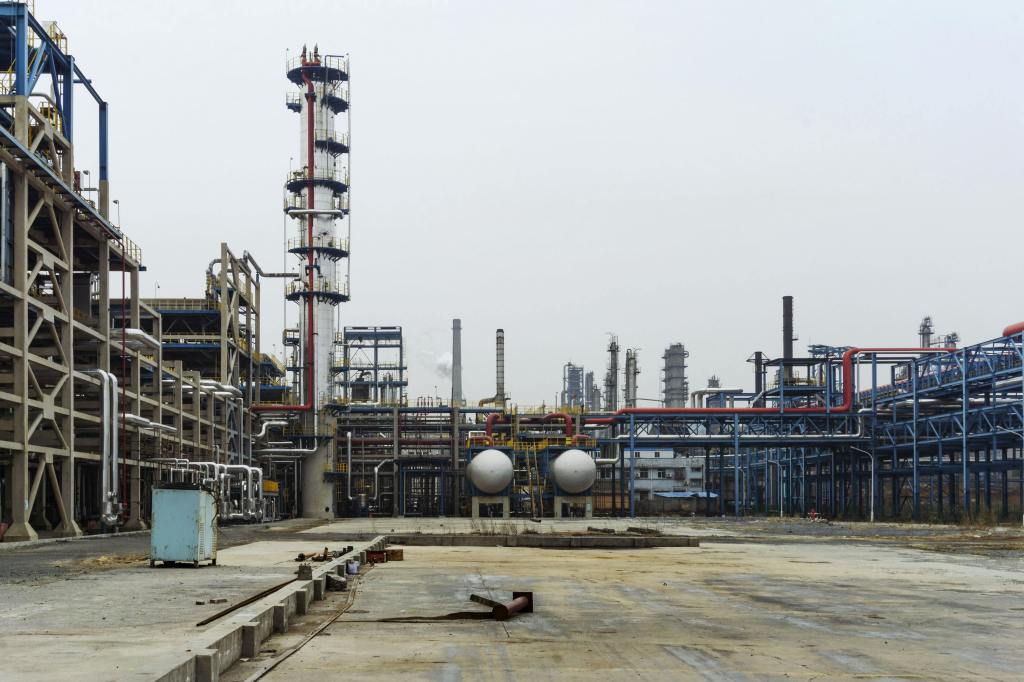
A brownfield oil & gas safety systems upgrade was entering detailed design. The programme involved multiple engineering disciplines, vendor inputs, and thousands of interconnected drawings and deliverables within a live operating environment.
Challenge
The projected design phase was lengthy and exposed to common delivery risks: siloed teams, sequencing based on assumptions, hidden dependencies, and costly rework when downstream work began before upstream inputs were ready.
Progress was reported to be active, but system-wide visibility was weak, and compounding dependency resolution challenges were emerging, which in turn were delaying decision-making.
Approach
A full dependency-mapping exercise was run across the engineering scope, using visual controls to make relationships between deliverables explicit.
Thousands of work items were surfaced, linked, and organised so teams could see what inputs were required before starting downstream tasks.
Cross-discipline planning and update sessions were built around the visual system, allowing engineers to solve constraints directly rather than through managerial handoffs.
Progress was measured against genuine readiness and completed outputs, not simply activity levels.
Outcome
Detailed design was completed in approximately half the originally projected duration.
Rework was reduced to near-zero levels by improving input readiness before task commencement.
Engineering effort was redirected from coordination waste toward productive delivery, materially improving schedule confidence and cost efficiency.
Key takeaway
When dependencies are invisible, projects slow down expensively. When they are visible, competent teams move fast.

Leave a Reply