
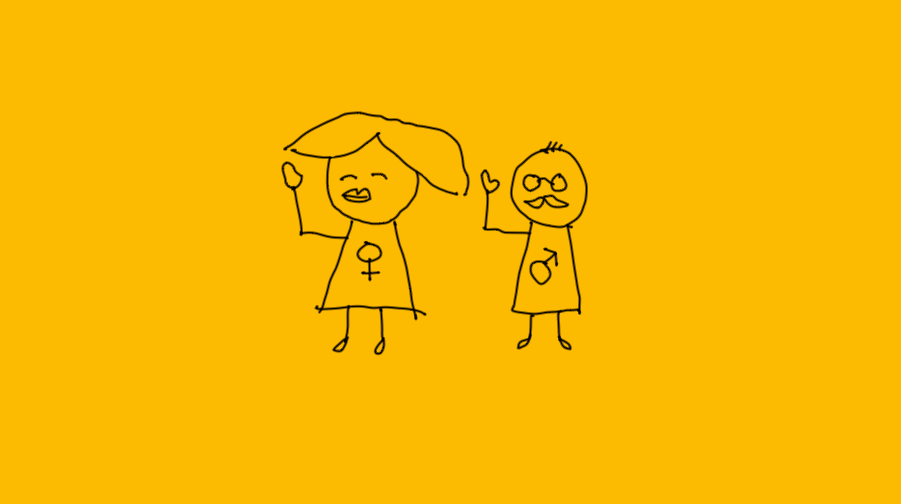
A challenged world is an alert world. Individually, we’re all responsible for our own thoughts and actions – all day, every day.
International Women’s Day
https://www.internationalwomensday.com/theme
If, like me, you’re a cisgendered white male, then in the context of International Women’s Day, there are two things that are fiendishly easy to do:
- Ignore it completely
- Get educated about the issues that women still face in all walks of life when compared to their male counterparts.
And in light of (2) being so easy, there’s not really any excuse for a lack of awareness around gender equality.
Informing yourself is easy
Here’s some data that took me all of 20 minutes to find on the internet, and has made my understanding of the matter better (with the caveat that for me there’s still a long way to go).
- Women in the workplace in Australia earn an average of $253.60 less per week. (source WEGA)
Think about how many pints that buys on your Thursday work beers. The woman next to you might be thinking twice about going for another round simply because for her, it’s going to be a harder financial hit than it is for you.
Like almost everything, this has nothing to do with her skill in the subject area. - Women hold 7.4% of CEO positions on the Fortune 500 (as of 2020).
7.4%, in the second decade of the 21st Century.
This figure goes to show just how much effort is required, and how long it will take before we can begin to have a data-driven discussion about women in leadership positions, let alone find out that, actually, it’s a worthless debate in the first place. - Women, on average, end up with $85,000 less in their superannuation (retirement savings, for those not in Australia) than men. The same site reported that a staggering 40% of single older women live in poverty – yep, actual, hard-nosed poverty. In Australia, one of the wealthiest nations on earth.
How? Start with the gender pay gap, then take maternity leave to raise children – most companies do not pay superannuation during extended maternity, and this is often taken earlier in a woman’s career, meaning compound interest opportunities are lost. As if having a baby isn’t panful enough, the system effectively punishes you for it even if every sane economist will tell you that maintaining or growing a population (I.e. doing the nasty and having babies) is a healthy requirement for a growing economy. Babies grow up and, mostly, pay tax.
What can we do?
So, guys, what does it require for us to Choose to Challenge?
Amazingly, not much.
- You don’t need to throw yourself into the front of every women’s rights march.
- You don’t need to constantly message your friends about how overly woke you are or write a pompous blog post – ahem – about the matter.
- If you’re an employer, you probably don’t need to rewrite your hiring policies or constitution – chances are they already demand equality, and you’re likely making headway in achieving it.
- You certainly don’t need to feel like you should cover for your female colleague’s beer round (this would be pejorative and perpetuate the thing you’re trying to help).
For me, it’s asking questions of myself and those around me
Here are some that, when I’ve the presence of mind to remember (because unconscious bias is a thing), I try and use:
- How much information can I find to help build my perspective in, say, my coffee break?
- How many women are there in this meeting I’m now in, and have they spoken as much as the men?
- How can I create space to add to the conversation? As silly as it sounds, it’s too often necessary for men to have to invite women to speak [the link is ironic], 98 years after the US Equal Rights Amendment, and Women’s Suffrage being over a century old in almost all developed nations. I mentioned unconscious bias – this is it in action, and women have it too, often afraid of speaking in a roomful of men.
- Has a guy in this meeting cut across a woman when she was talking?
The answer is probably yes.
What can I do about it? Could I use my interval and politely ask her what she was going to say? Should I call it out? Should I escalate it?
It depends, these are all options. And most often, the guy doing the cutting isn’t a rude misogynist. He, like me, just wasn’t thinking at that time. - Is the thing that I’m about to say just a carbon-copy of what the woman sat next to me said [see item 4] four minutes ago? I do this without realising too often.
- Is my woman colleague paid the same as me for the same job?
The answer is almost certainly “no”. Perhaps she’s just not paid the same, or perhaps she is paid the same but actually doing the job of someone much more senior.
What can I do about it?
I could tell her what I earn, that’s what. Then she’s got some data that she can throw in front of management and ask about.
The small stuff adds up quickly. Choose to challenge.

Leave a Reply